







On 26 July 2026, the Bangladesh JSPS Alumni Association (BJSPSAA), in collaboration with Jashore University of Science and Technology (JUST), organized a JSPS Guidance Seminar “Guidance Seminar on the JSPS Program and Research Funding Opportunities” at JUST, Jashore, Bangladesh.
The program was designed to familiarize faculty members, researchers, and prospective applicants with the various international programs and research funding opportunities offered by the Japan Society for the Promotion of Science (JSPS) and to provide practical guidance for pursuing research and academic opportunities in Japan. About eighty people attended this seminar.
The seminar provided an important platform for interaction among university academics, JSPS representatives, BJSPSAA members, researchers, and prospective applicants interested in strengthening their international research collaboration and professional development.
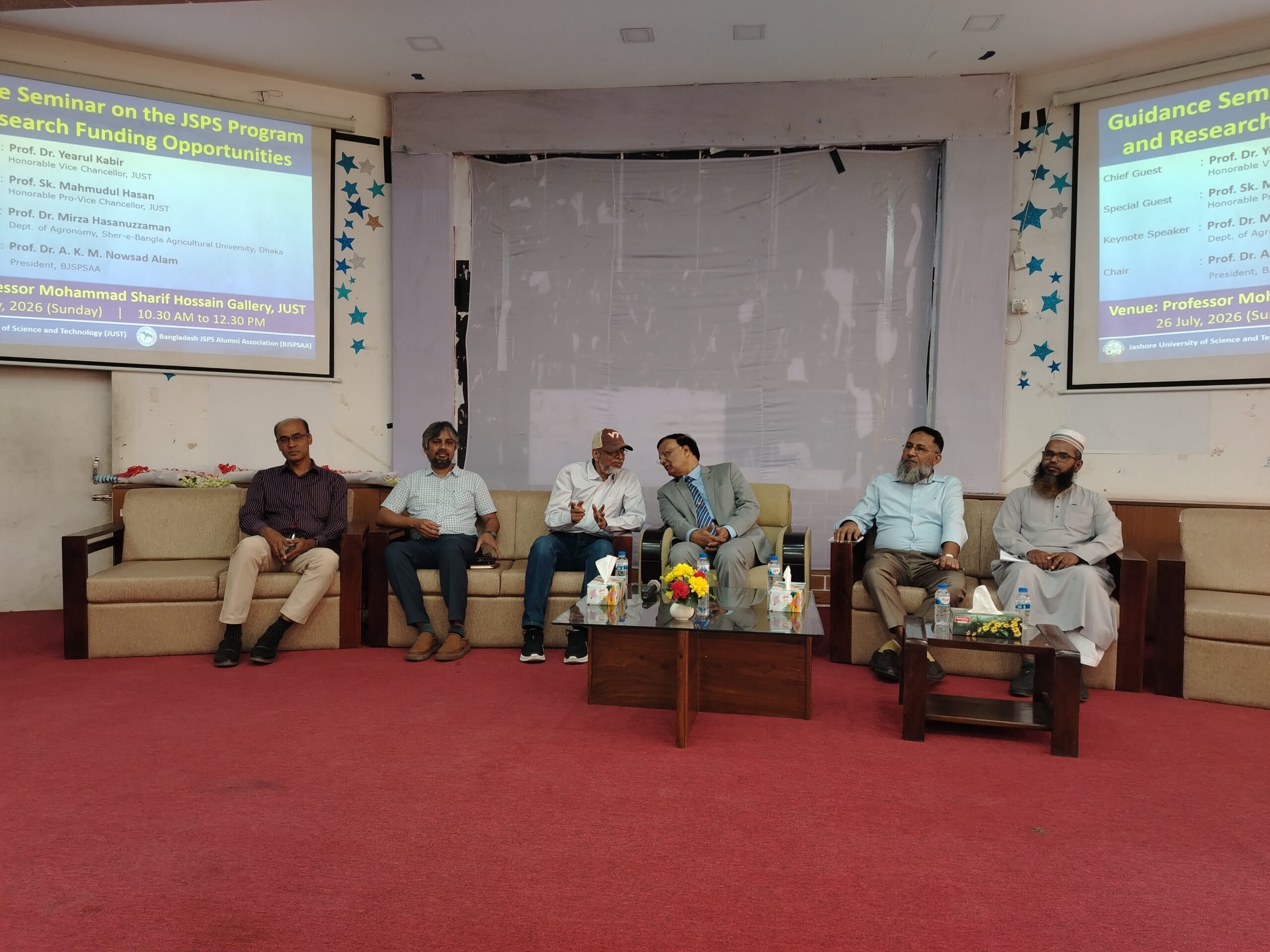
The Speakers
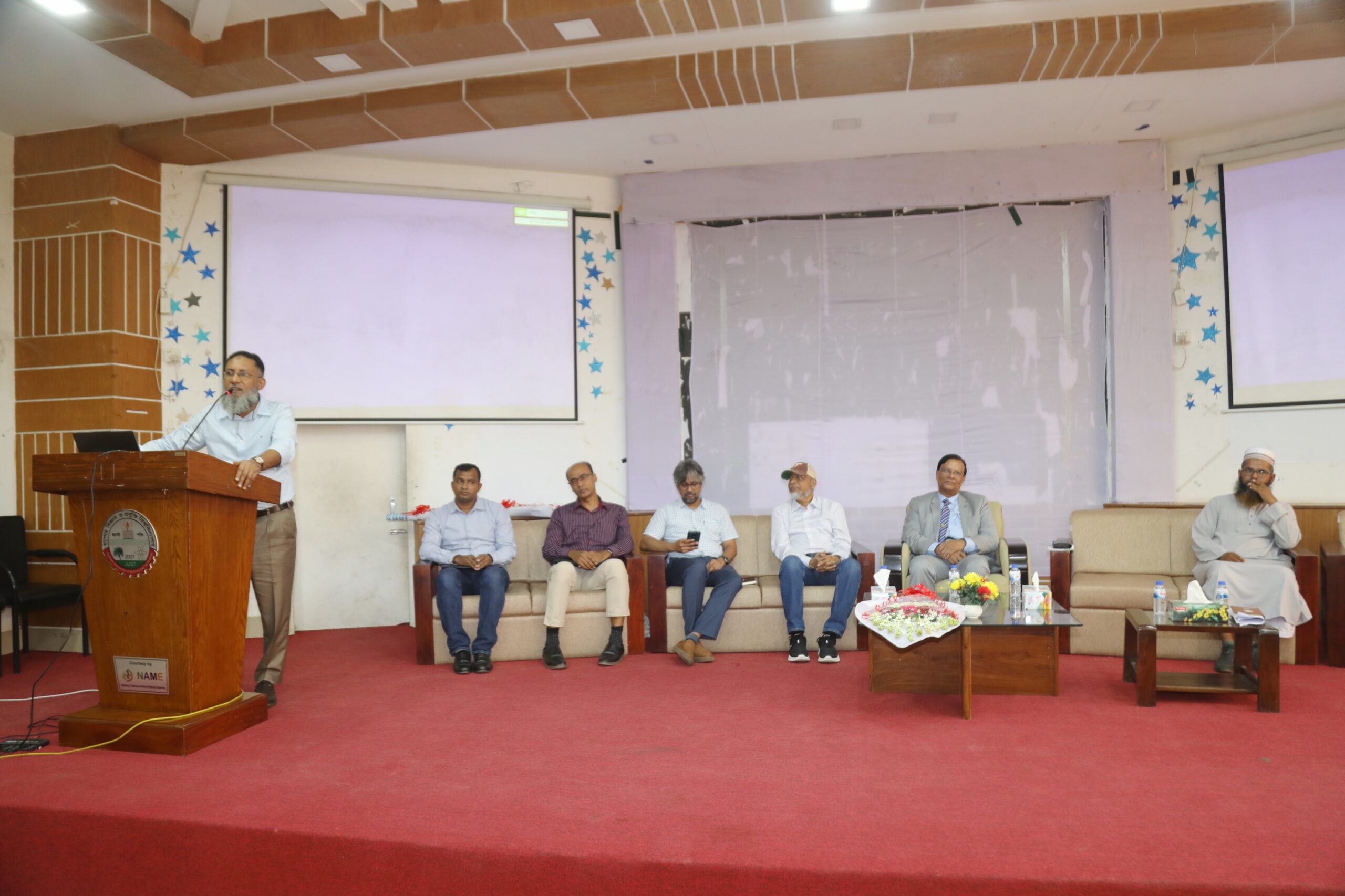
Prof. Dr. Md. Jahangir Alam, Director, Institutional Quality Assurance Cell (IQAC), JUST, delivered the welcome speech. He warmly welcomed the distinguished guests, speakers, BJSPSAA representatives, faculty members, researchers, and participants. In his remarks, he emphasized the importance of international research collaboration and opportunities for young academics and researchers to become engaged in high-quality research activities.
This was followed by the opening remarks of Prof. Yoshio Otani, Director, JSPS Bangkok Office. He introduced the role of JSPS in promoting scientific advancement and international research collaboration and highlighted the importance of JSPS programs in establishing academic links between Japan and researchers from other countries, including Bangladesh.
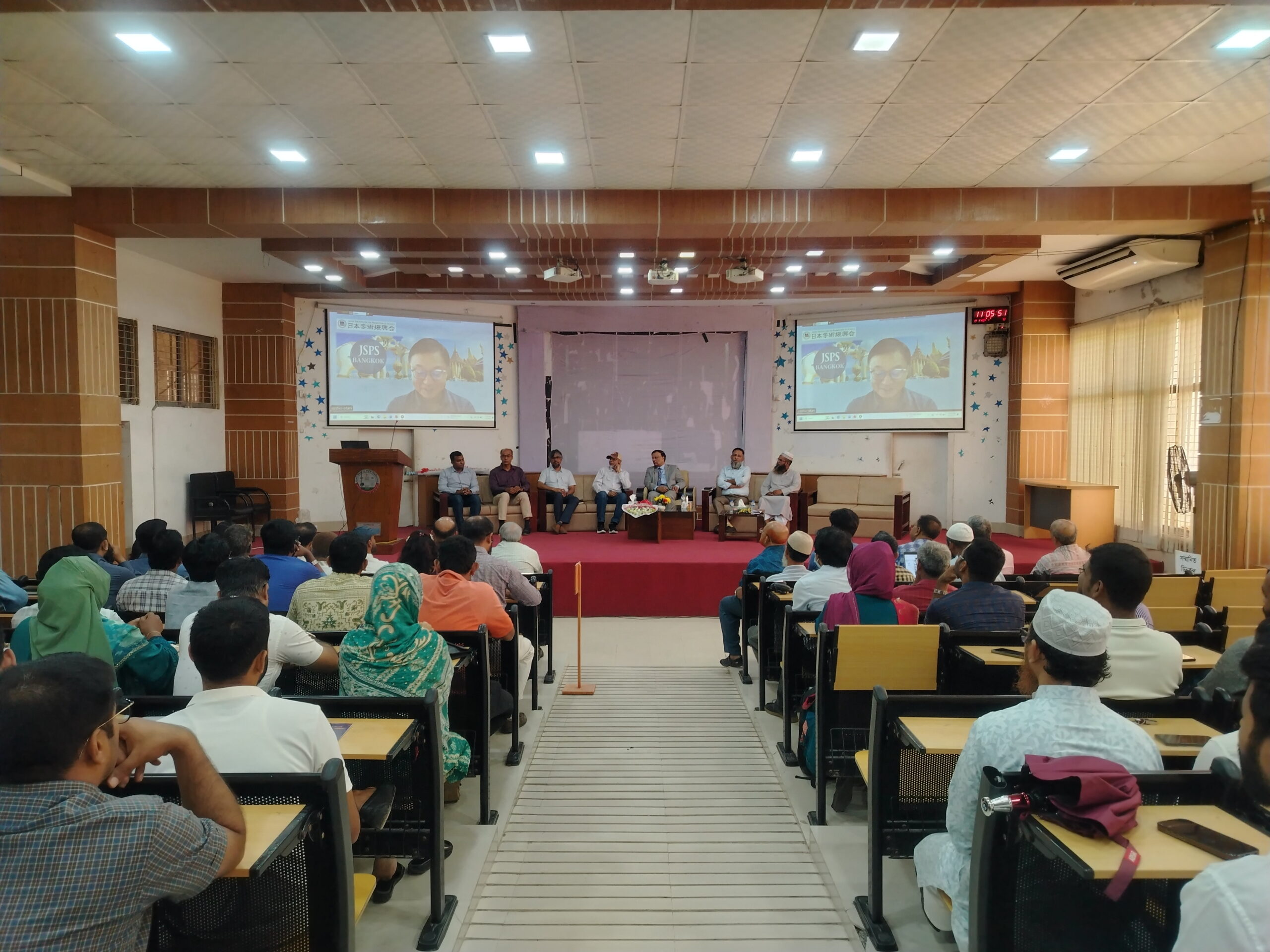
Opening Remarks of Prof. Yoshio Otani
The Special Guest, Prof. Sk. Mahmudul Hasan, Honorable Pro-Vice Chancellor of JUST, addressed the gathering and stressed the significance of international exposure, research networking, and competitive research funding for strengthening the research capacity of universities.
Speech of Prof. Sk. Mahmudul Hasan
Speech of Guest of Honor was also delivered by Prof. Dr. Faroque Hasan, Honorable Treasurer, of JUST. He expressed his experience during his study and research in Japan as MEXT scholar.
The Chief Guest, Prof. Dr. Yearul Kabir, Honorable Vice Chancellor of JUST and Vice-President of BJSPSAA, then delivered his speech. He highlighted the growing importance of international collaboration for improving the quality and impact of university research and encouraged faculty members and young researchers to explore prestigious fellowship and research funding opportunities offered by JSPS.
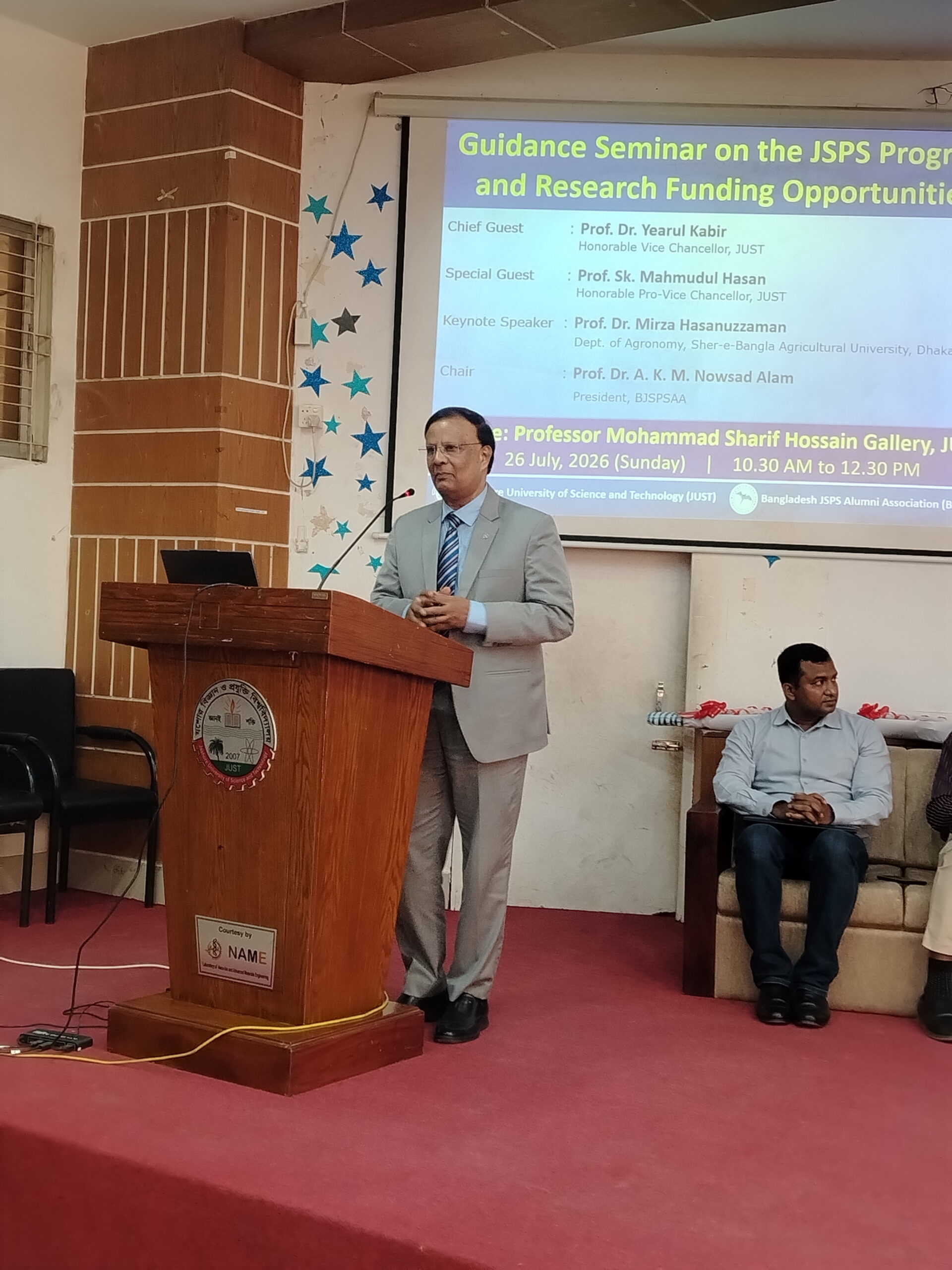
Speech of Prof. Dr. Yearul Kabir
A JSPS promotional video was subsequently screened to provide the participants with an overview of JSPS, its mission, activities, and international programs.
A presentation on JSPS and its International Programs followed the video session. It was presented by Ms. Xiuyu DING, International Program Associate, JSPS Bangkok Office. The presentation provided participants with information on the different opportunities available through JSPS and the scope for researchers to establish academic collaboration with Japanese institutions and scientists.
One of the major components of the seminar was the keynote presentation delivered by Prof. Dr. Mirza Hasanuzzaman, Department of Agronomy, Sher-e-Bangla Agricultural University, Dhaka, Bangladesh and General Secretary, BJSPSAA.
During his presentation, Prof. Hasanuzzaman provided guidance on pursuing JSPS fellowships and research opportunities. The presentation highlighted the importance of identifying suitable host researchers and institutions in Japan, developing strong research proposals, establishing effective academic communication, and preparing competitive applications. The session was particularly useful for prospective applicants seeking to understand how they could improve their chances of obtaining JSPS fellowships and developing productive international research collaborations.
Drawing on academic and research experience, the keynote presentation also underscored the importance of a strong research profile, clearly defined research objectives, scientific novelty, appropriate methodology, and close alignment between the proposed research and the expertise of the prospective host researcher.
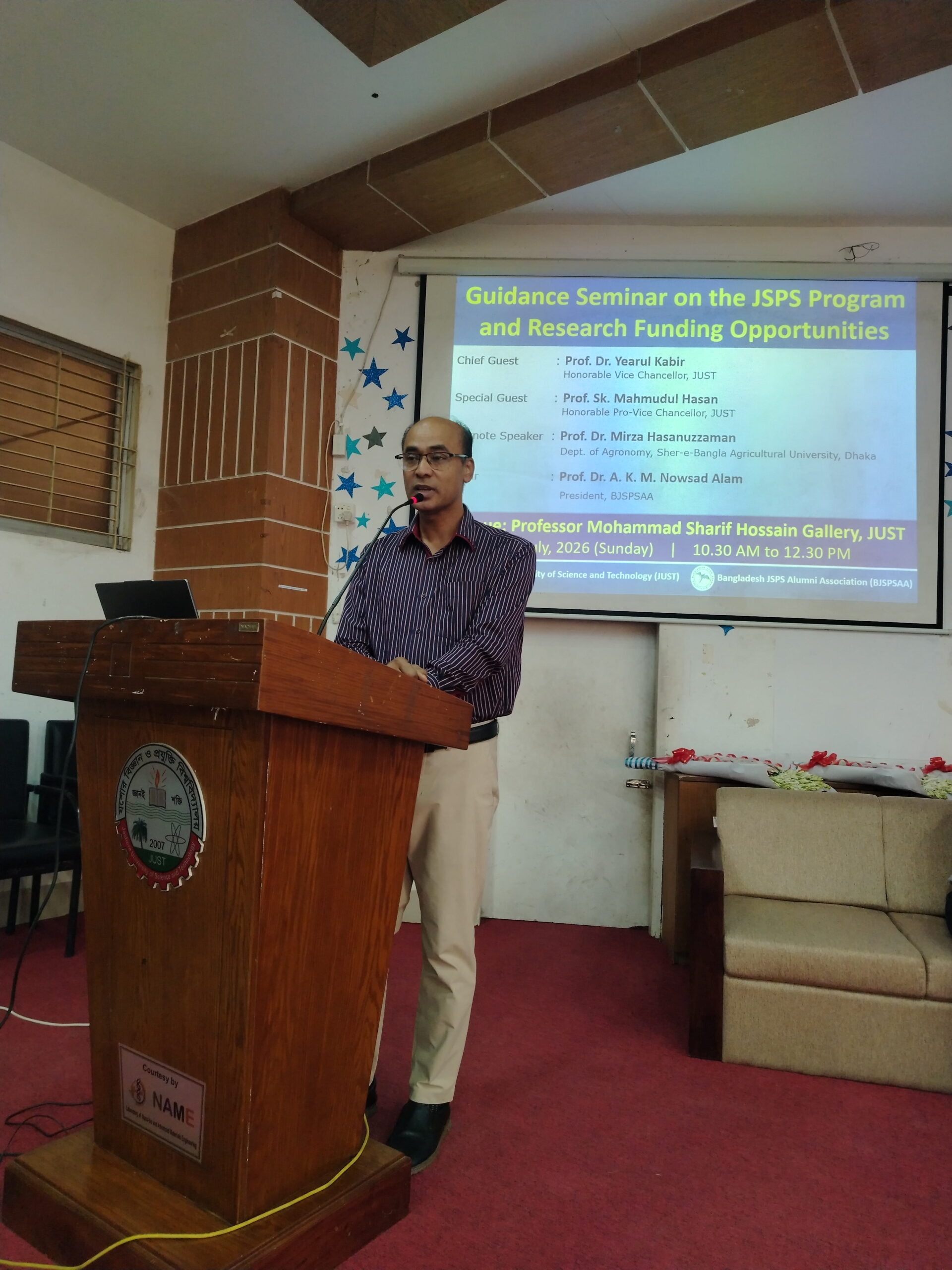
Presentation of Prof. Dr. Mirza Hasanuzzaman
Following the presentations, an open discussion and question-and-answer session was held. Participants had the opportunity to seek clarification regarding JSPS programs, application procedures, research collaboration, preparation of proposals, selection of host researchers, and other issues related to pursuing research opportunities in Japan.
The interactive session enabled participants to obtain practical guidance directly from the speakers and facilitated exchange of views on developing stronger academic and research links between Bangladesh and Japan.
The seminar concluded with remarks by Prof. Dr. A. K. M. Nowsad Alam, President, Bangladesh JSPS Alumni Association (BJSPSAA). He expressed appreciation to the authorities of Jashore University of Science and Technology, the Institutional Quality Assurance Cell, JSPS representatives, invited guests, speakers, organizers, and participants for their cooperation in making the seminar successful.
He also emphasized the commitment of BJSPSAA to promoting JSPS opportunities among Bangladeshi researchers, facilitating academic networking, and strengthening scientific collaboration between Bangladesh and Japan.
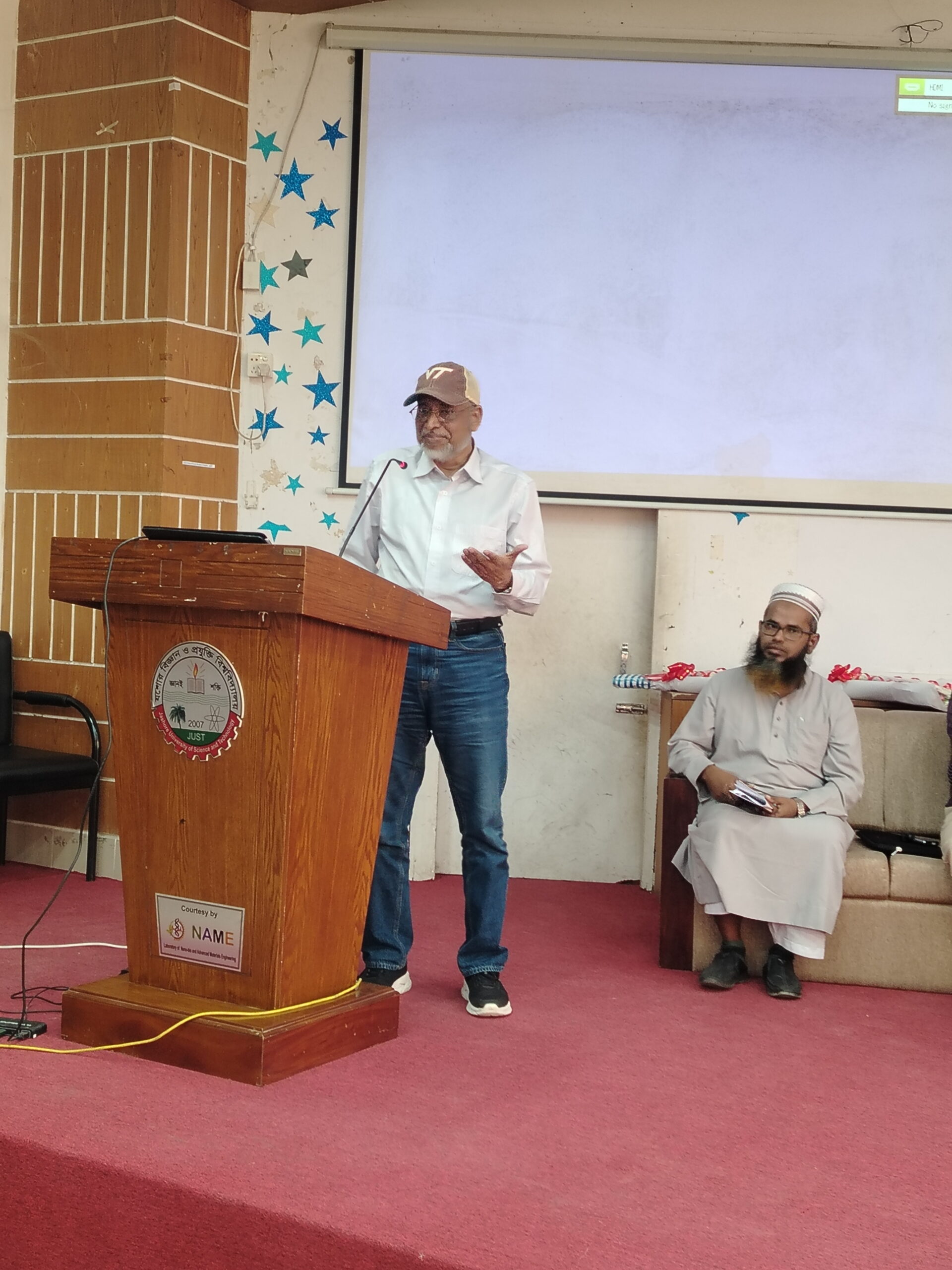
Remarks by Prof. Dr. A. K. M. Nowsad Alam
The Guidance Seminar served as a valuable initiative for increasing awareness of JSPS fellowships, international research programs, and funding opportunities among academics and researchers. The combination of institutional perspectives, information on JSPS programs, practical guidance from experienced researchers, and an interactive discussion made the seminar highly relevant to prospective applicants.
The program also contributed to strengthening communication among BJSPSAA, JSPS, Jashore University of Science and Technology, and the wider academic community of Bangladesh. Such initiatives are expected to encourage more Bangladeshi researchers to pursue competitive international fellowships, establish collaborations with Japanese researchers, and contribute to the advancement of science, technology, and higher education through international cooperation.
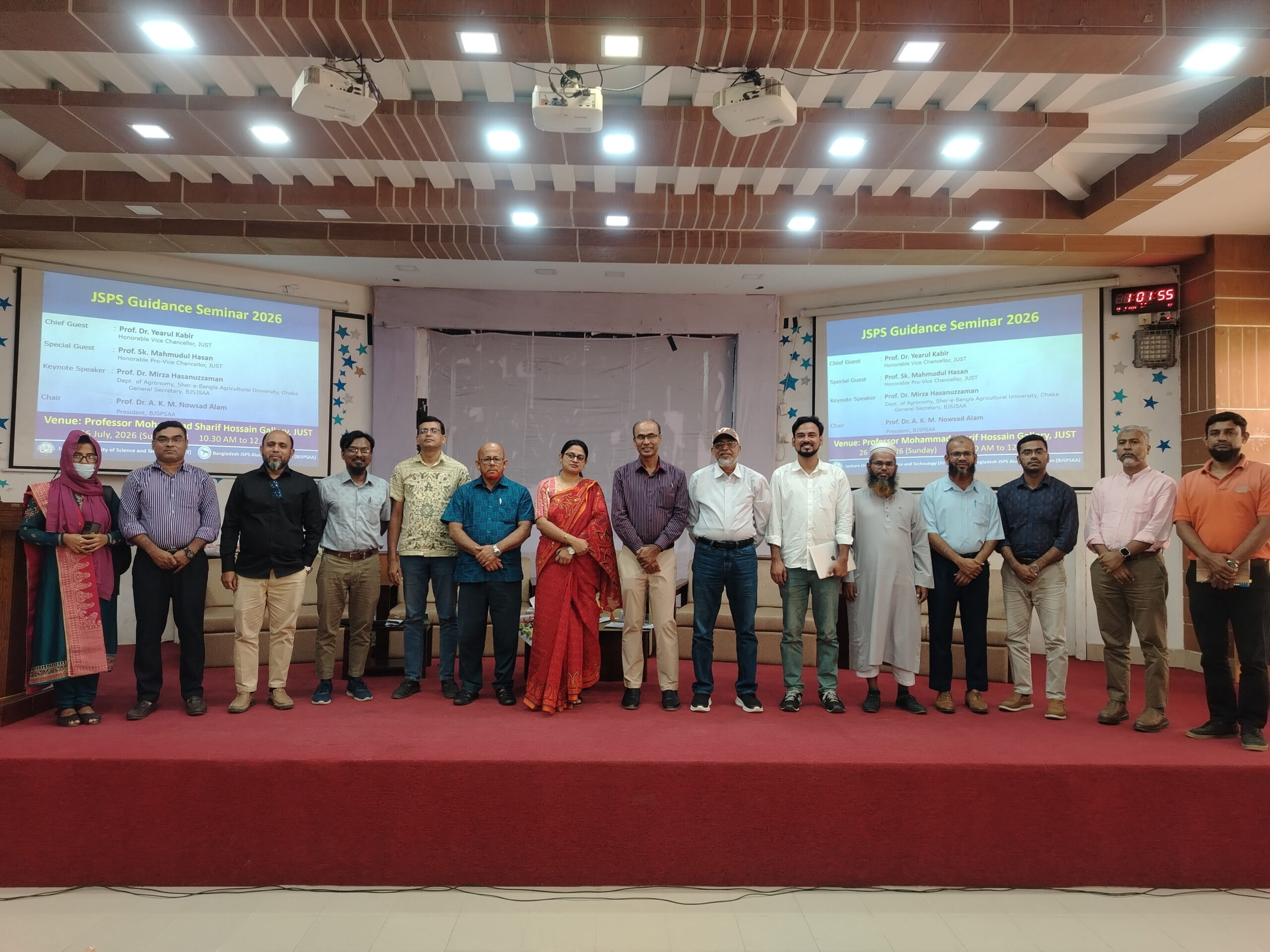
Group Photo
